


Overall rating: 4.818182 / 5 from 11 reviews.
AI Generated Review Summary
Summary topics
Review topics: ["tool","holes"].
Review highlights
Reviews
Handy tool
"I look forward to using thus tool in my embroidery projects and decorative mending."
Great Product
"The Dritz Darning Egg is great for darning socks. You turn the sock inside out and put it over the darning egg to sew. It keeps the the spot you are darning in place so you can sew and close the hole. It works great!"
Very comfortable to use & handy for darning socks.
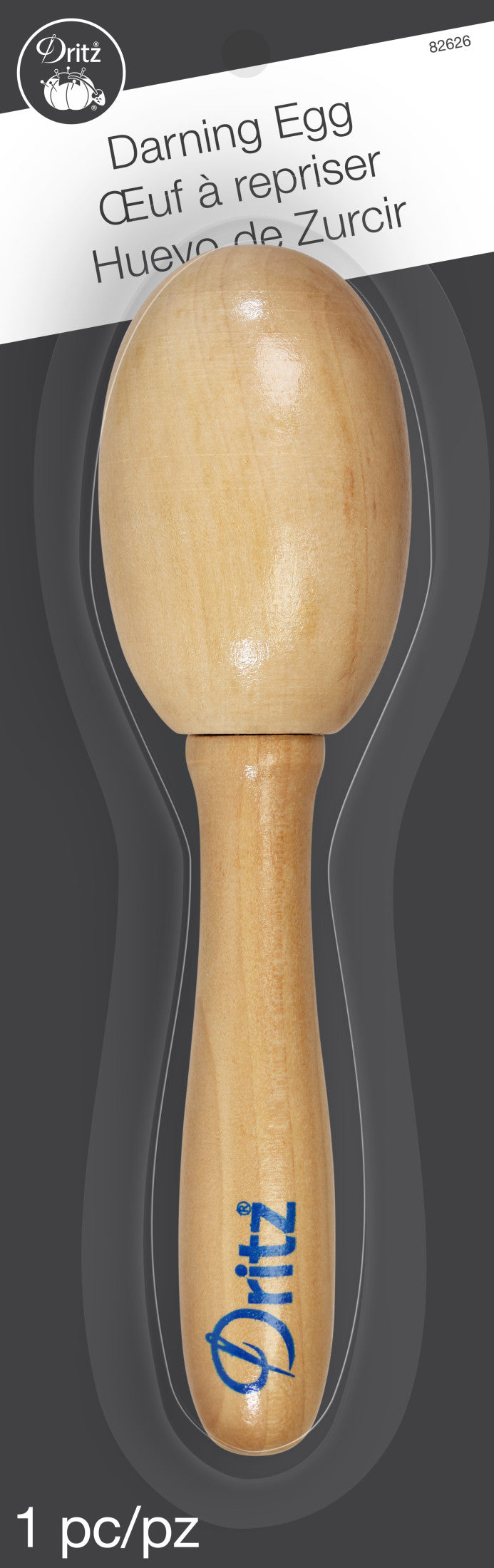
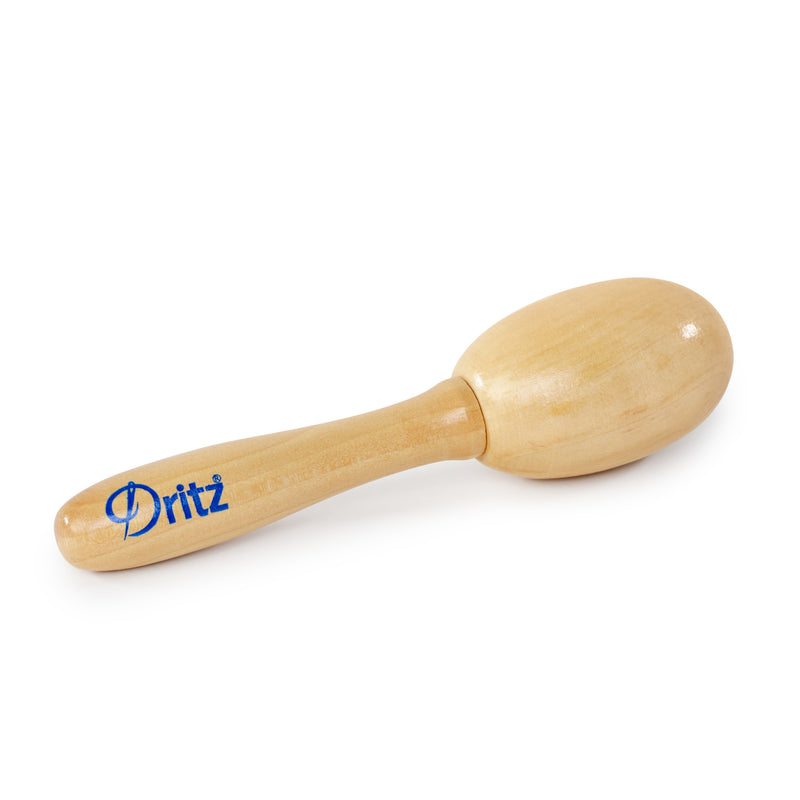
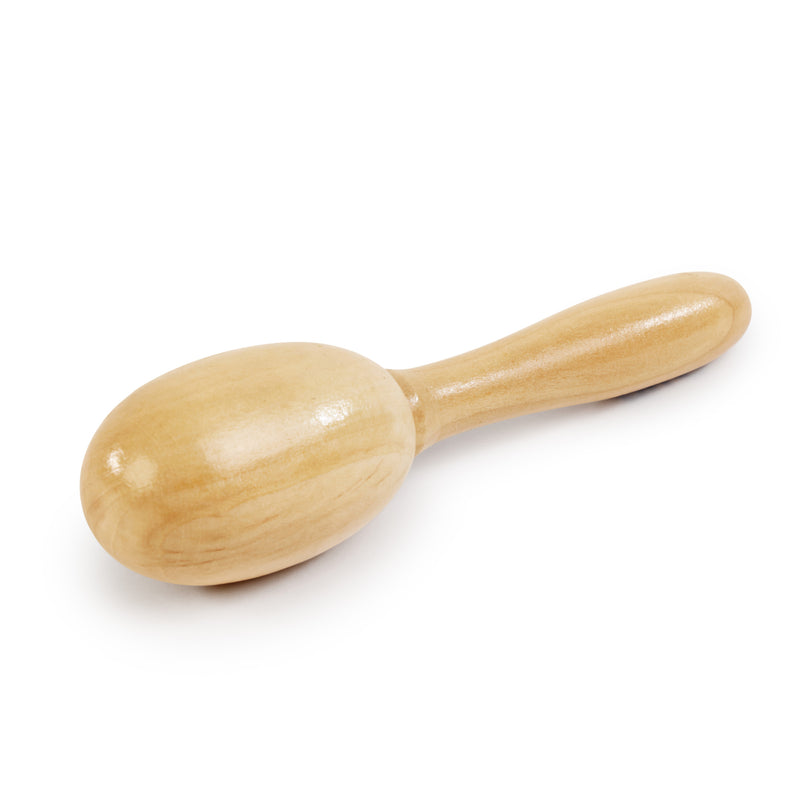
"I don't sew a whole lot, so I had no idea there was such a thing as a 'darning egg'. But I do make small repairs in socks and pillows and any other articles of clothing that might develop small holes. This darning egg will come in so handy when it's time to fix things like that! It holds the fabric where I need it to be while keeping my fingers safe and out of the way of sharp needles. This Dritz egg looks and even feels a little like a maraca. It's lightly weighted and very comfortable to hold, and it can be used with or without the handle, which simply screws on and off. I almost look forward to having to darn socks this winter! If you do any sewing, especially of awkwardly shaped items, this is a great item to have in your sewing toolkit. Five stars!"
Good features!!!
"I don’t sew much anymore but I used to and I didn’t know the Dritz Darning Egg existed. It is a very useful tool. It is very useful to have on hand to use for an sew level."
Great Product
"This darning egg can be used with or without the handle. It can be used to help repair things like socks, mittens, sweaters easily. I had a sweater I used it on & it worked well to repair a hole. I watched a video first so I would know how to do the stitching & it helped a lot."
Great quality!
"This darning egg has come in very handy when it's time to repair my kids socks, this egg, made of wood, is very sturdy and a great tool to keep in my sewing kit. Also makes a great gift for anyone who loves to sew!"
Works for many uses
"This is such a handy item to keep in my sewing box! It's light weight and works well with every application I have used it for. Great for darning socks and even small torn places in jeans. I most recently used it for an embroidery project. I never knew how much I needed this!"
Awesome tool
"I absolutely love this Dritz wooden darning egg. It makes mending socks and all other hard to mend objects a breeze. It's an extremely handy thing to have in my sewing room. I would absolutely recommend this darning egg to all my fellow crafters."
Mending made easy
"My mother-in-law has fell in love with this egg. Makes it easier to fix popped seams and worn stitching."
Worked great
"Absolutamente loved it! Worked great. Very good to have on hand for any sewer of any level."


